Most companies don't have a pipeline problem
They have a targeting problem.
They generate leads, run campaigns, and build funnels, but still struggle to convert.
Not because marketing is broken.
Because they're going after the wrong customers.
What an ICP actually is
ICP stands for Ideal Customer Profile.
An Ideal Customer Profile is a definition of the companies most likely to buy from you, convert efficiently, and generate long-term value.
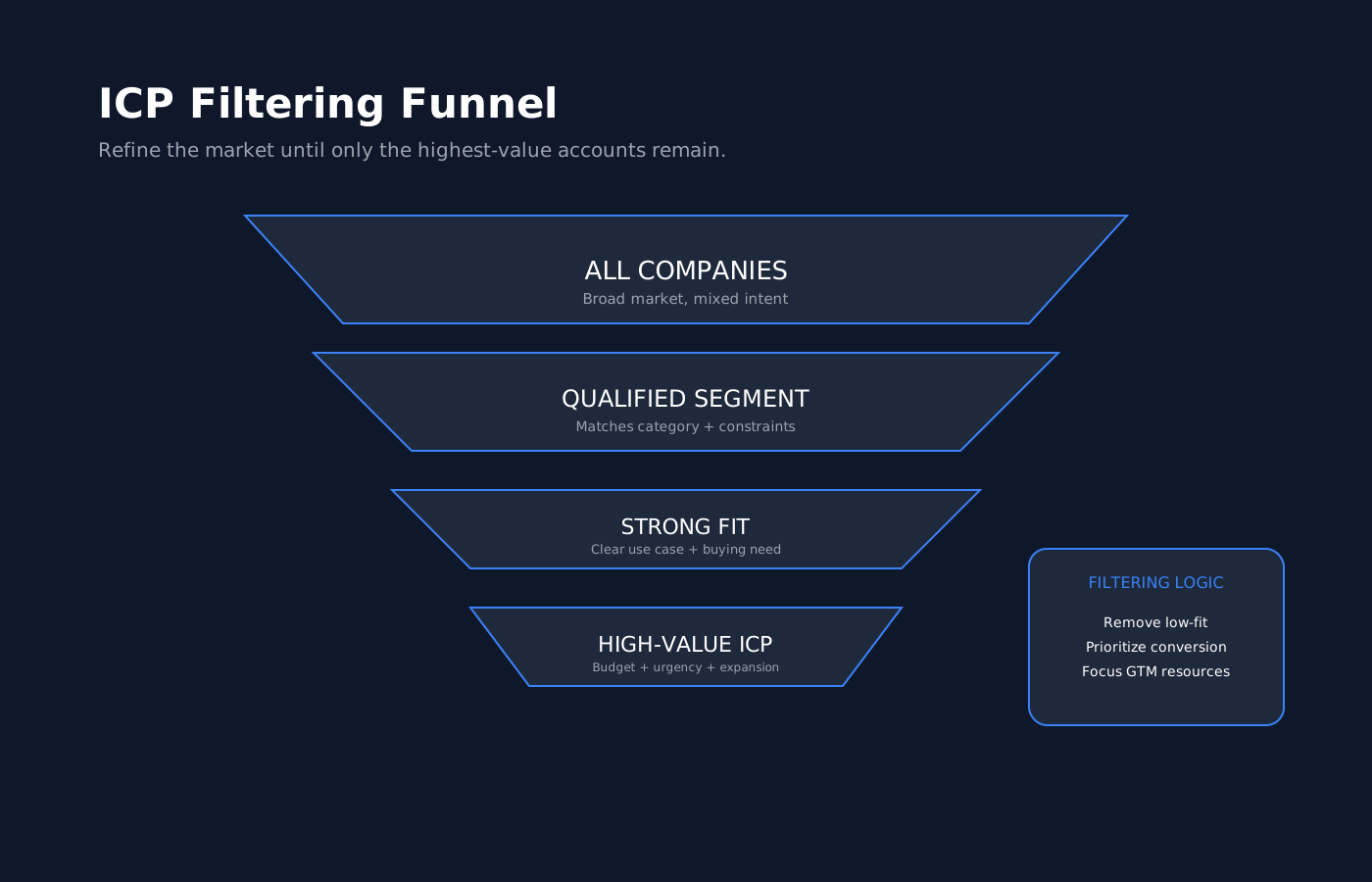
That matters because an ICP is not just a targeting document. It is a revenue filter.
Most ICP content treats it like a marketing exercise. In practice, your Ideal Customer Profile should help you answer a much more important question:
Which companies are actually worth your team's time?
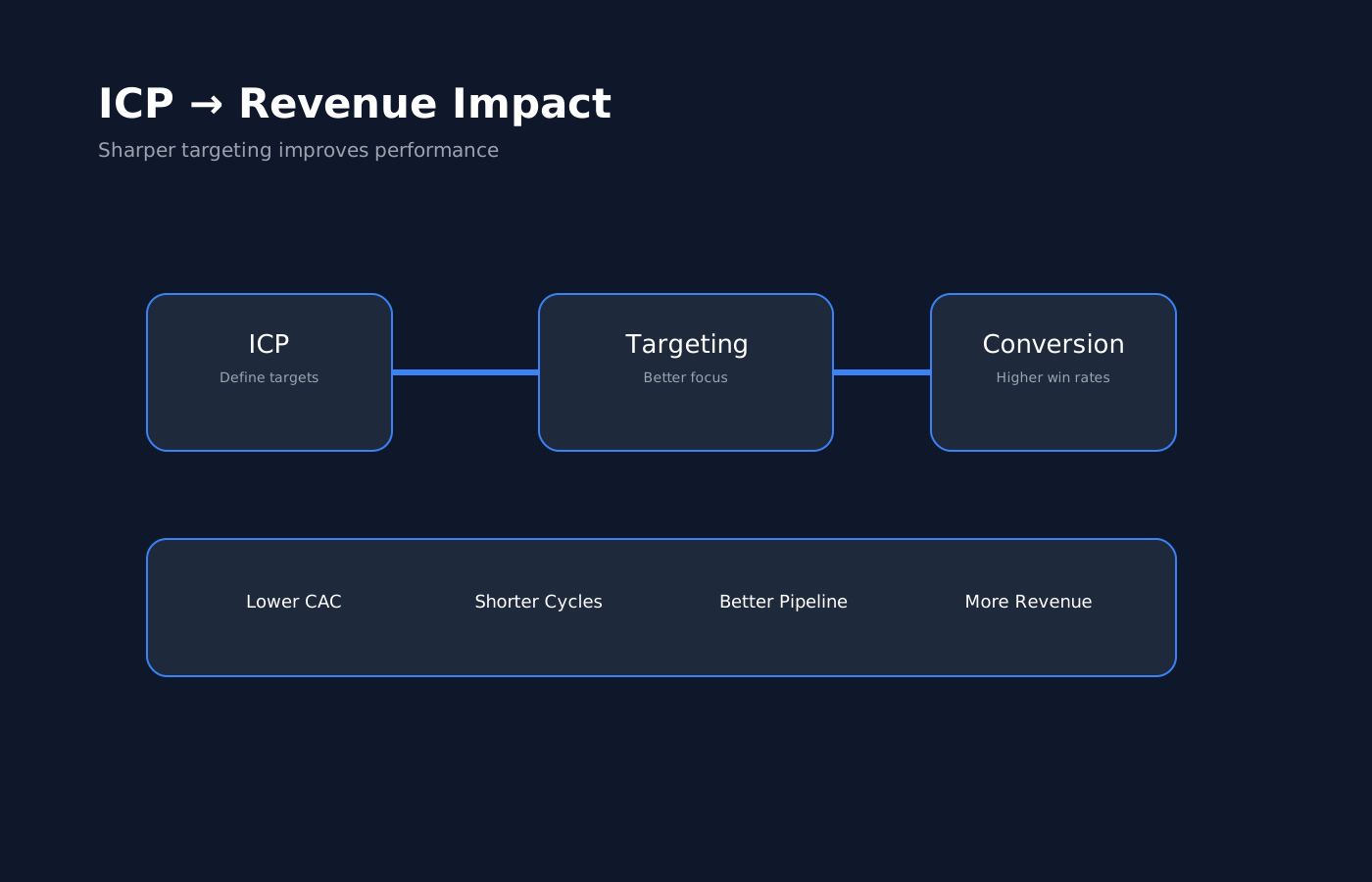
If your ICP is right:
- sales cycles get shorter
- conversion rates improve
- CAC comes down
- pipeline quality gets cleaner
If it's wrong, everything downstream gets harder.
ICP vs Personas
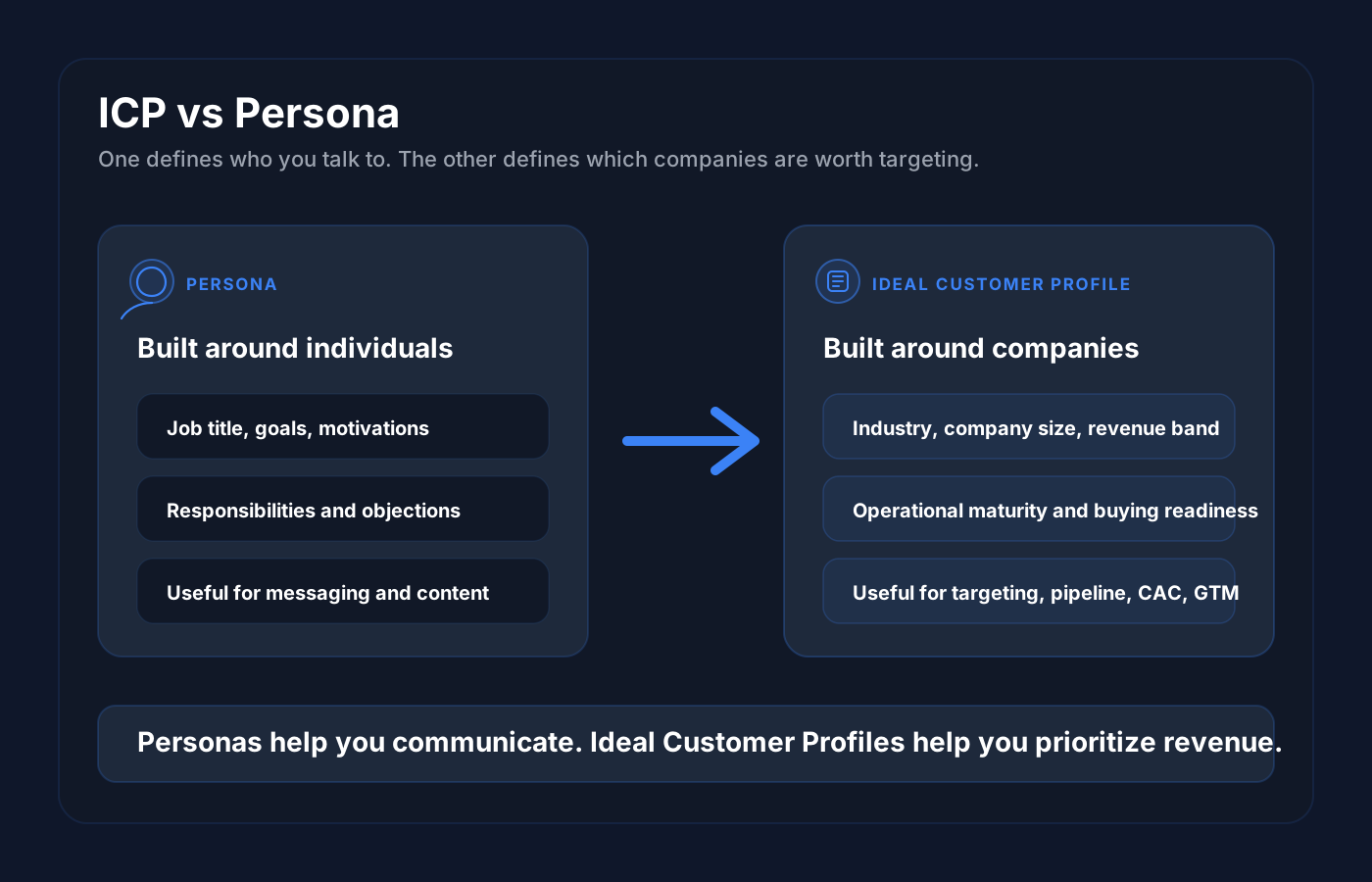
Personas describe people.
ICP defines companies.
Personas usually focus on job title, goals, motivations, and responsibilities.
ICP focuses on company-level fit: industry, company size, revenue range, operational maturity, and buying readiness.
Describes people
- Job title & responsibilities
- Goals & motivations
- Helps messaging
Defines companies
- Industry, size & revenue band
- Buying readiness & urgency
- Drives pipeline
What a high-performing ICP actually includes
Most teams stop too early.
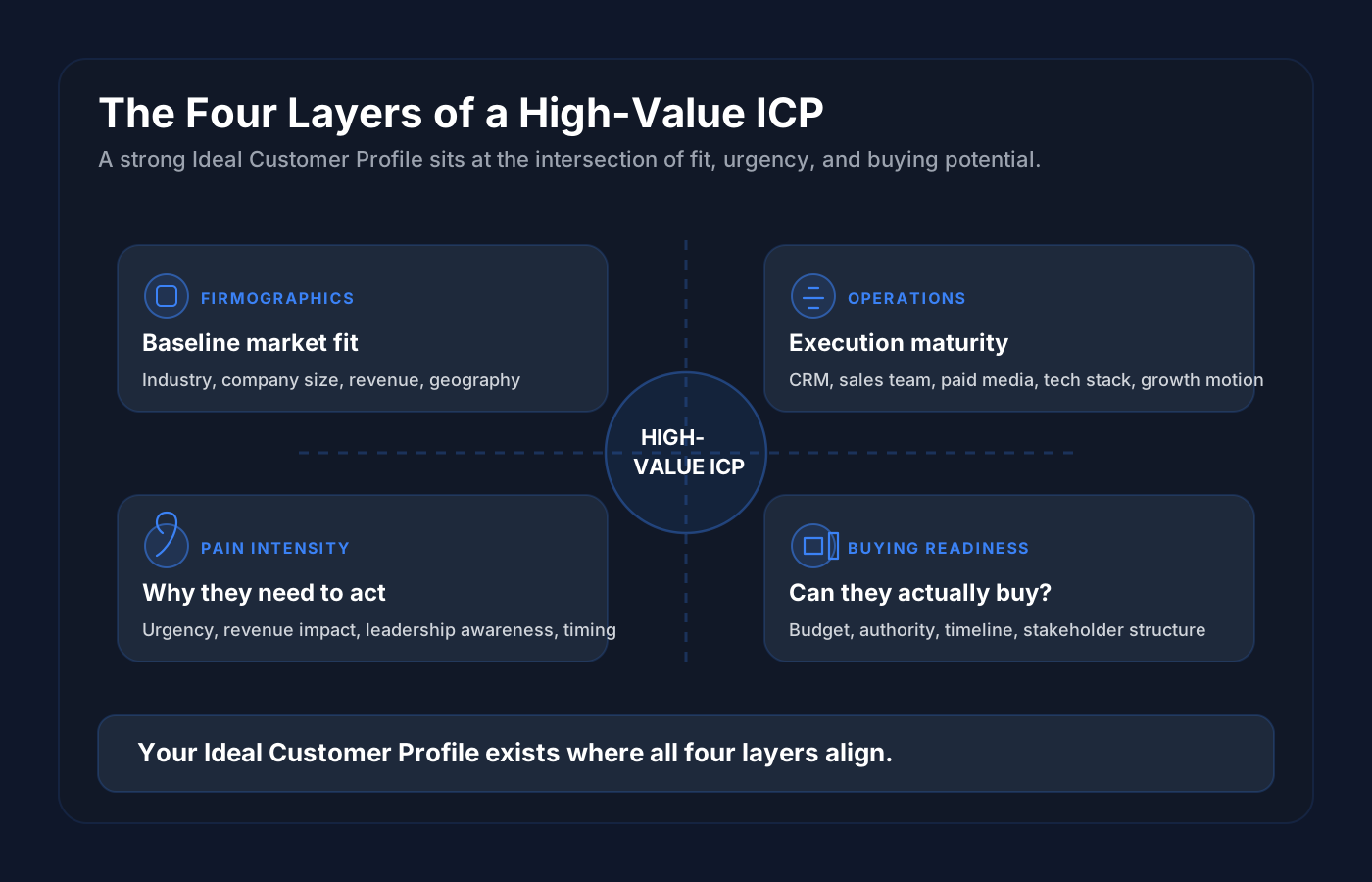
A strong ICP has four layers:
Firmographics
Industry, company size, revenue band, and geography.
Operational signals
Do they have a sales team? Are they using a CRM? Are they investing in growth? Do they have the internal structure to execute?
Pain intensity
Is the problem tied to revenue? Is leadership aware of it? Is there real urgency?
Buying readiness
Do they have budget, authority, and a realistic timeline?
Your highest-value Ideal Customer Profile exists where all four layers overlap.
How to define your ICP
Most ICP work becomes guesswork because teams start with assumptions instead of data.
Here is the better approach.
Start with your best customers
Do not look at all customers. Look at the best ones. Which accounts closed fastest? Which accounts pay the most? Which customers stay the longest? Which customers expand? That is your starting point.
Find patterns
Look for shared characteristics across industry clusters, company sizes, common use cases, and similar buying triggers. This is not about guessing who you want. It is about reverse engineering who already works best.
Eliminate bad-fit accounts
This is where clarity usually comes from. Who churned? Who took too long to close? Who created operational drag? Who never really fit the offer? A good ICP is defined by exclusion as much as inclusion.